
Chattanooga’s a National Park City. What does that mean?
Chattanooga’s title as the first National Park City in North America doesn’t change much — it’s more a recognition of the ongoing environmental work in the city.
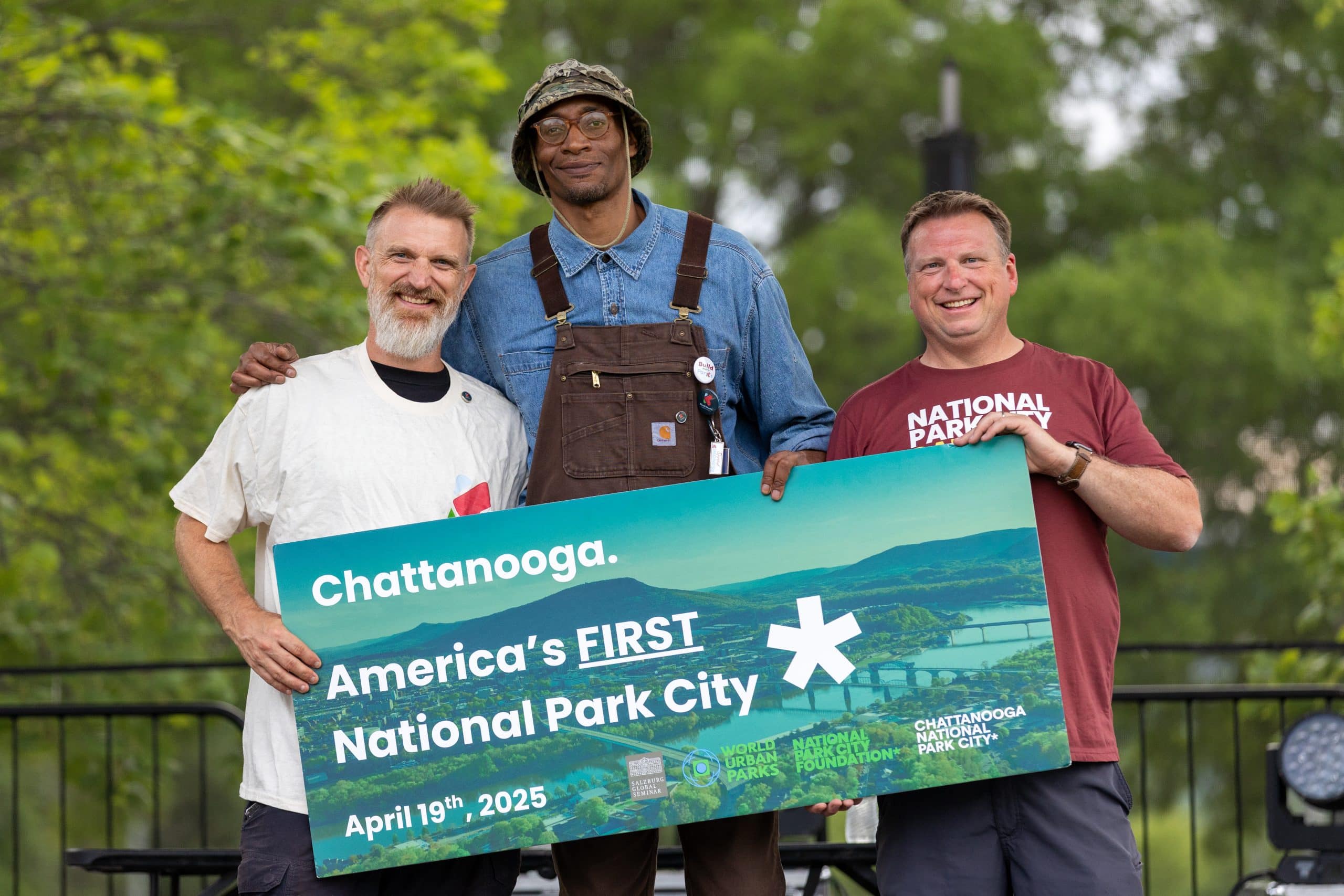
A few weeks ago, Chattanooga celebrated its certification as the first National Park City in North America and the third in the world. We’ve received plenty of questions about what exactly this designation means for the city and for residents.
We spoke with Brian Smith, a spokesperson for Chattanooga Parks and Outdoors, who said the award doesn’t change much — it’s more a recognition of the ongoing environmental work in the city.
Joining the club
The first thing to know: There’s no affiliation with the National Park Service, the organization managing places like Yellowstone and the Chattanooga and Chickamauga National Military Park.
“Is it a confusing name?” Smith said. “Absolutely.”
Instead, Chattanooga has joined a club founded by London-based nonprofit National Park City Foundation (NPCF), which made London the first National Park City in 2019.
NPCF has a process for cities around the world to apply for membership, develop a set of nature-focused commitments, build local support, and — if they satisfy a team of peer reviewers — receive the title of National Park City. In turn, members work with the larger nonprofit to recruit new cities.
So far, London, Adelaide, Australia, and Chattanooga have completed the process.
Why Chattanooga applied
ity branding played a role in Chattanooga’s effort to get recognized, Smith said, as an only-in-the-nation environmental award could attract green businesses and grant dollars.
The award is also supposed to encourage a national park mindset among Chattanoogans: Get outside and get involved with the nature-focused organizations who helped write Chattanooga’s National Park City commitments.
Read the seven commitments here, including “a culture of outdoor activity” and “inclusive and sustainable development.”
What does Chattanooga have to do?
Chattanooga’s commitments aren’t policy, and they don’t involve city funding. They’re more a way to highlight local environmental progress and track the work of partnered groups.
“Whether it is marketing, whether it is change, whether it is just supporting the organizations, we hope that the outsiders that come in here look and say, ‘Chattanooga is on this right path,’” Smith said.
Want to tap into the National Park City philosophy? Contributing to a community garden or planting backyard sunflowers are small ways to get involved.
Contact William at william@chattamatters.com
Author

Related Articles
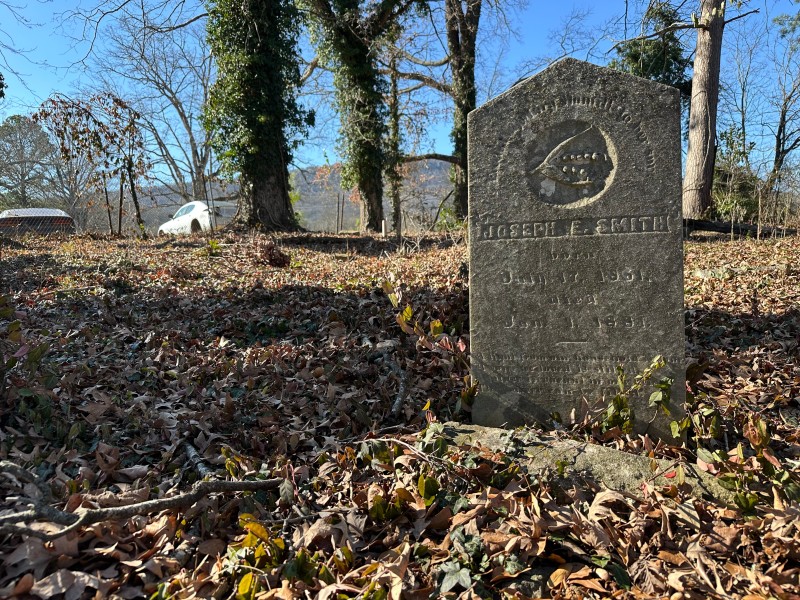
Finding Chattanooga’s forgotten cemeteries
Some of Chattanooga’s oldest cemeteries lie quietly beside homes, strip malls, and garbage collection centers. One could be right in your backyard.

Mini journalists with major confidence
We spent time with the fifth graders who run the Calvin Donaldson News Network and talked to them about the stories that matter most in their lives.
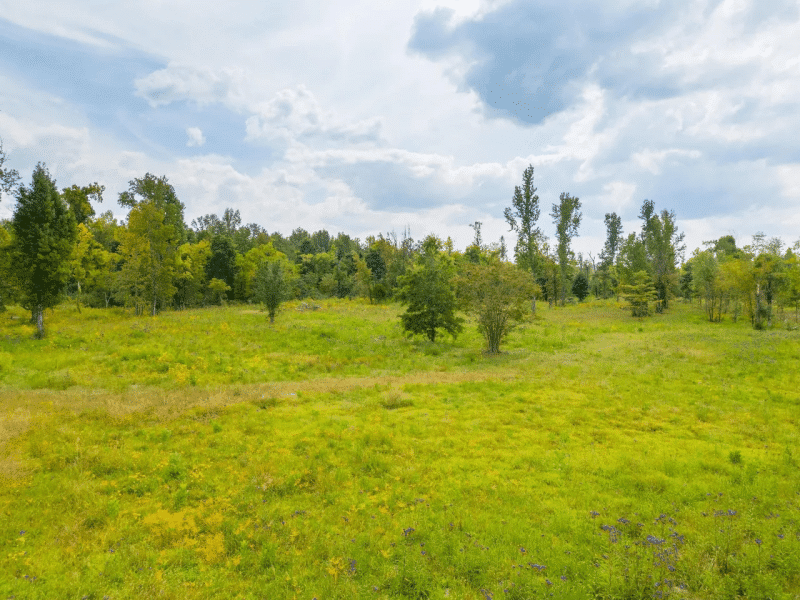
The ‘passive park’ coming to East Brainerd’s park desert
Back in compliance with a federal conservation program, the city is moving to protect about 15 acres of future park land and restore part of Mackey Branch creek.