
The ‘passive park’ coming to East Brainerd’s park desert
Back in compliance with a federal conservation program, the city is moving to protect about 15 acres of future park land and restore part of Mackey Branch creek.
By William Newlin
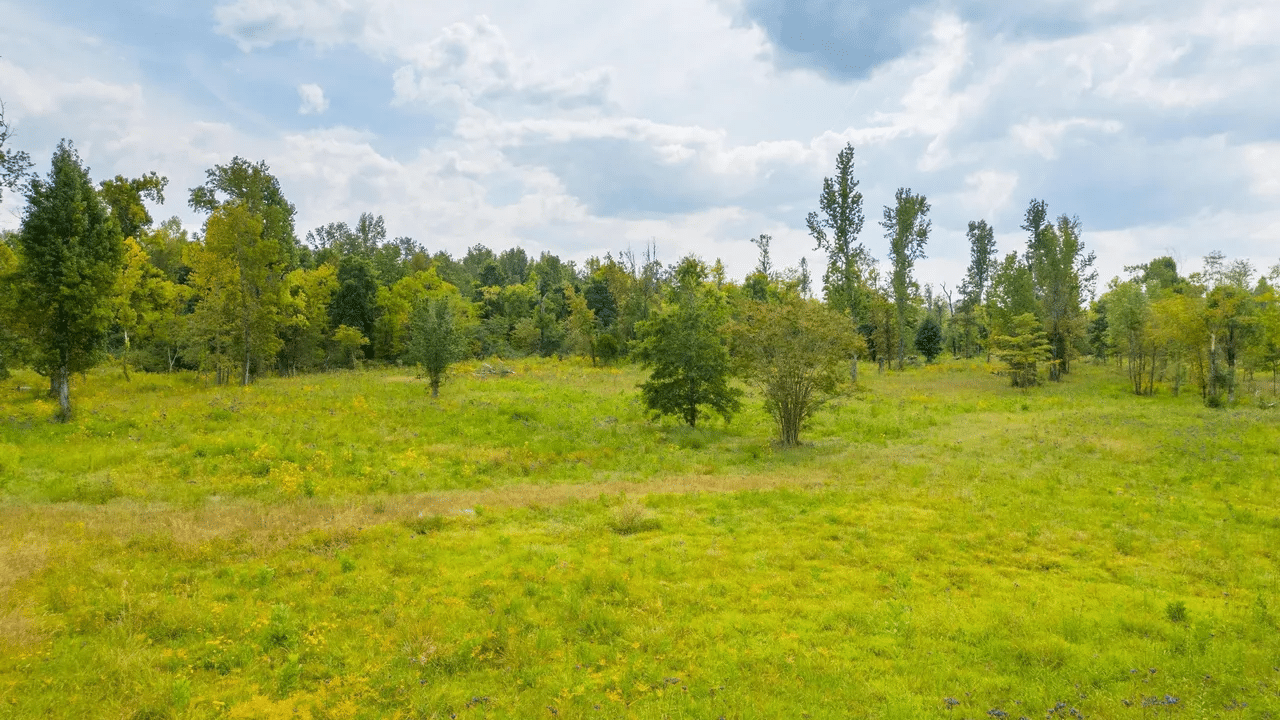
The City of Chattanooga is moving to protect about 15 acres of future park land lying behind a stretch of homes in East Brainerd. Using a mix of federal grant funds and local dollars, the city will buy the property from nonprofit Trust for Public Land (TPL) for $1.35 million.
Grassy and lightly wooded, the parcel on Gray Road contains a portion of Mackey Branch creek, making it an ideal spot for a “passive park,” said interim Parks and Outdoors administrator Brian Smith. Think: Greenway Farms.
Right now, the Gray Road project sits in a pre-planning stage. Step one is to actually get the land into city ownership. From there, Smith said, Parks and Outdoors will consult neighbors to map out its future use, although the city hasn’t set a planning timeline.
‘Much needed green space’
East Brainerd needs more green spaces. The 2023 Parks and Outdoors Plan identified the neighborhood as a park desert, and Smith said the Gray Road site will offer a more leisurely option for residents than the ballfields at Batters Place or Jack Benson Heritage Park.
“ It’s obviously a fast growing area,” Smith said. “ And when you notice how many people are using the East Brainerd area and you only have really one park that kids and families can go enjoy.”
City Councilman Cody Harvey, who represents East Brainerd, voted alongside all of his Council colleagues to approve the deal with TPL on Feb. 17.
Half of the $1.35 million will come from the federal Land and Water Conservation Fund (LWCF), which has helped pay for parks and recreation projects across Chattanooga for nearly 60 years. The rest lies in the city’s capital budget earmarked for park land purchases.
Harvey said in an email to Chattamatters the park represents a “much needed green space in East Brainerd.”
“In a world that continues to grow around us, I am relieved to see a balance to that growth,” he wrote.
‘Water quality is crucial’
The Gray Road project will involve restoration work on Mackey Branch, too. In an email to Chattamatters, TPL’s state director Noel Durant said the stream’s “water quality is crucial,” in part to protect the rare species that inhabit its parent body, South Chickamauga Creek.
According to the Georgia Department of Natural Resources, the Chickamauga Creek crayfish resides only in North Georgia and Hamilton County, sheltering under rocks and leaves in its eponymous water system. Durant also highlighted the threatened East Tennessee-native snail darters who call the local creek home.
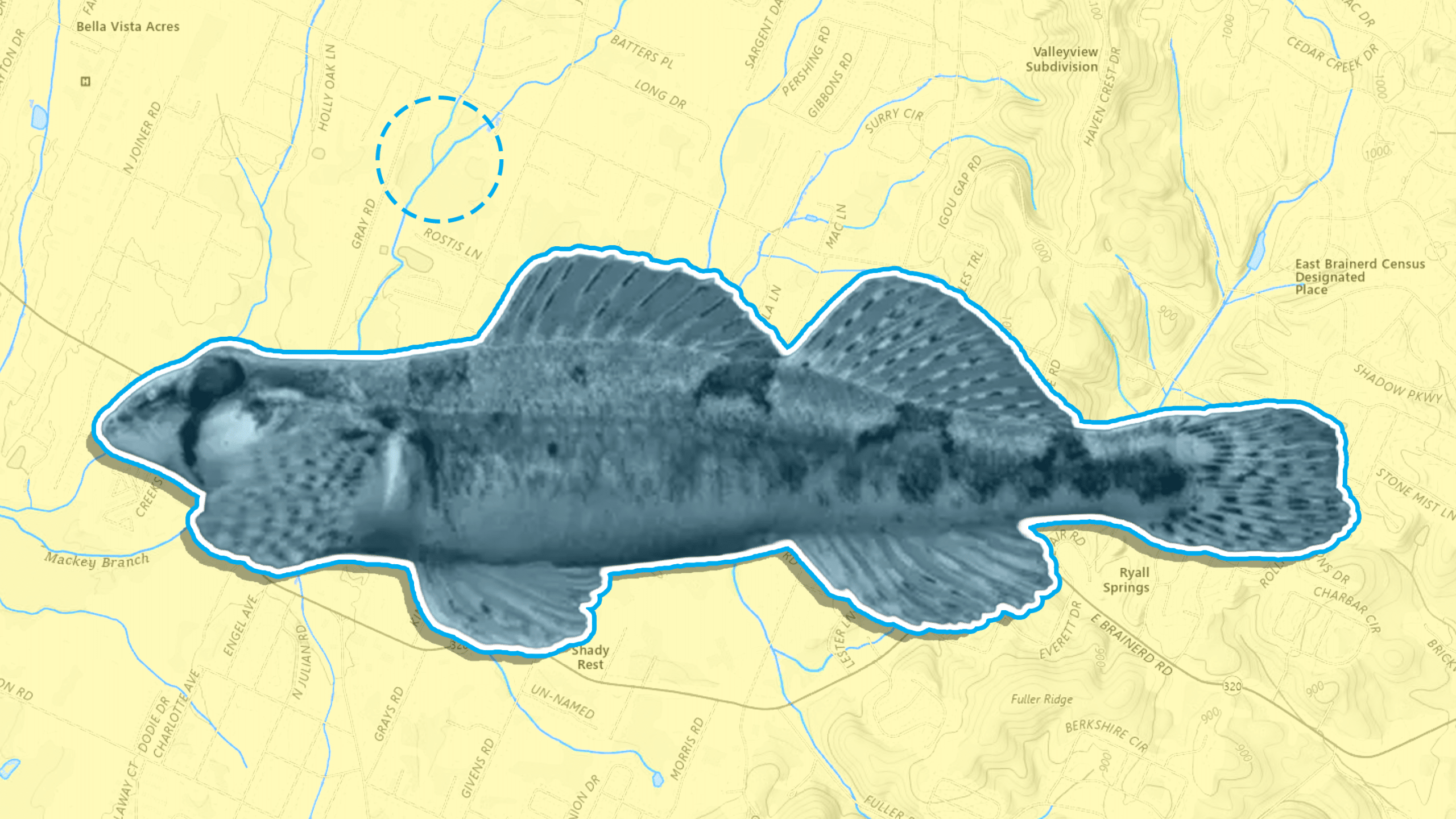
Restoring Mackey Branch can also protect against neighborhood flooding during severe weather events.
“Given the development pressure in East Brainerd, opportunities to restore stream corridors higher in the watershed can pay dividends for residents, and city infrastructure downstream,” Durant said in the email.
Bringing Chattanooga back into federal compliance
Chattanooga received the federal LWCF grant money last year, the first local award from the fund in more than 15 years, Durant said. The last is helping fund the in-progress Provence Street park just past Missionary Ridge.
Other local LWCF-funded projects include the Carver Community Center pool (1973), Tyner Park (1983), and rehab work at Booker T. Washington State Park (2004).
You can find a map of nationwide LWCF projects through June 2022 here.
But cities can lose eligibility for LWCF dollars if they repurpose sites developed using the federal funds. Chattanooga became noncompliant after selling a property that received a small LWCF investment in the 1970s, said David Johnson, TPL’s parks and schoolyards program director, in an email.
For around five years, Johnson said he’s worked with the city through the “very convoluted and slow” process of bringing Chattanooga back into federal compliance. The city got its approval in March 2025.
TPL noted the Gray Road site a couple years ago and — once the city reimburses the nonprofit for buying it — will turn the land over for passive public use.
“The protection of Mackey Branch builds on Chattanooga’s long history of creating public access to the Tennessee River and tributaries,” Johnson said. “We know how important water is for our own health and the health of the natural world, and are glad to continue this work.”
Contact William at william@chattamatters.com
Author

Related Articles

Chattamatters update: We’re launching an independent newsroom
We’re establishing an independent nonprofit newsroom. We have mostly paused publishing, as we gear up to serve you in a much bigger way in 2027.
Tree removal exposes unhoused Chattanoogans to summer heat
The city cut down 21 trees outside the Chatt Foundation for an accessible sidewalk. Despite a plan to replace some shade, people are still waiting in the sun.

Chattamatters’ Art in a Minute
Art in a Minute is a segment where we profile artists from all over Hamilton County … in about a minute.
