
Updated rules make historic home renovation a bit simpler
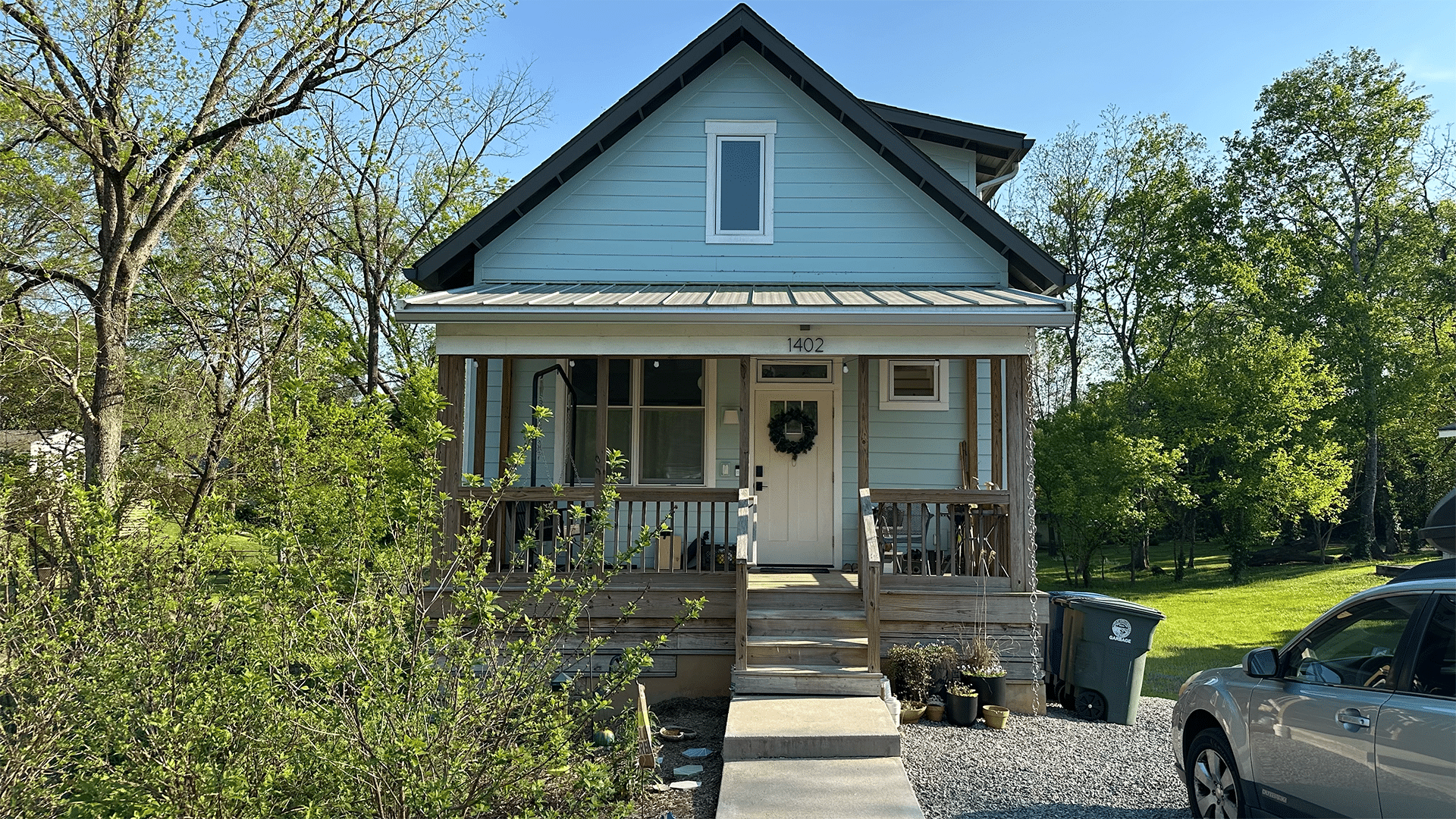
City Council approved new guidelines for renovations in Chattanooga’s four historic districts. Asking to add a shed now costs $40 rather than $190.
By William Newlin
Homeowners in Chattanooga’s four historic districts face restrictions on what they can do to their houses. But a recent update to the renovation rules have made the approval process a bit simpler. For example, asking to add a backyard shed now costs $40 rather than $190.
In Battery Place, Ferger Place, Fort Wood, and St. Elmo, additions, renovations, and demolitions require city review. That adds another layer of time and cost to any project affecting a building’s exterior.
Outdated restrictions on items like satellite dishes got the boot. The city also switched some items — like a backyard shed — from requiring a review from the Chattanooga Historic Commission, which is a weekslong, more expensive process.
“I can’t say it’s a significant net positive,” said Denise Shaw, St. Elmo resident and president of local firm Plumb Architecture. “Overall, it’s an improvement.”
What’s in the guidelines?
For a couple years, the city’s historic preservation planner, Cassie Cline, led the historic guidelines update. She and consultants held meetings with residents and developers to see what rules they could cut and what home changes could have a more streamlined review.
Those four neighborhoods earned status as local historic districts in the 1990s due to their connection to significant people, places, events, and design styles. Each had their own guidelines document, developed by the neighborhoods and consultants and approved by the Historic Commission. The last revisions to the building restrictions came a couple decades ago, Cline said.
Now, the four neighborhood’s guidelines live in one 194-page document, which contains histories of the districts, identifies types of historic structures and materials, and offers best practices for preservation and restoration.
“ I also want it to be a living document,” Cline said. “I don’t wanna be in the same situation where, okay, we don’t touch it for 20 years, right? I think hopefully we’ve achieved that.”
More changes to come?
A home builder who works often in St. Elmo, Shaw is a frequent guest at Historic Commission meetings. And sometimes homeowners don’t know they’ve violated the rules.
While she tried to represent her neighbors at public meetings about the new guidelines, she said the city’s engagement with residents was lacking. One suggestion Shaw offered: Create a much shorter brief to make developers’ jobs easier.
“It was such a large document that just by exhaustion I don’t think there was a lot of neighborhood comments that came in.”
Aside from modernizing the rules, Cline pointed to charts at the end of most chapters in the guidelines as a key improvement. Homeowners and developers can use them to check whether changes to porches, roofs, windows, and more require staff or commission review.
More local historic districts?
Cline said Chattanoogans in other old neighborhoods can use the guidelines not just for helpful tips on restorations, but also to apply for new local historic districts.
Chattanooga’s four districts are fewer than other Tennessee cities. Knoxville and Nashville have 11 and 27 districts, respectively, with varying levels of restrictions.
“We haven’t seen a new historic district since the 90s,” Cline said. “I want this document to be, one, adaptable to not only our existing districts, but future districts, future landmarks.”
The biggest mistake homeowners make in historic districts, Shaw said, is not reaching out to the city before beginning projects on their home’s exterior.
“Staff is so helpful,” Shaw said. “ And while it’s still on paper and you haven’t spent any money, (Cline) is ready to jump in and give input.”
Cline said she’s also eager to help a neighborhood become Chattanooga’s next protected district.
Contact William at william@chattamatters.com
Author

Related Articles

Tree removal exposes unhoused Chattanoogans to summer heat
The city cut down 21 trees outside the Chatt Foundation for an accessible sidewalk. Despite a plan to replace some shade, people are still waiting in the sun.
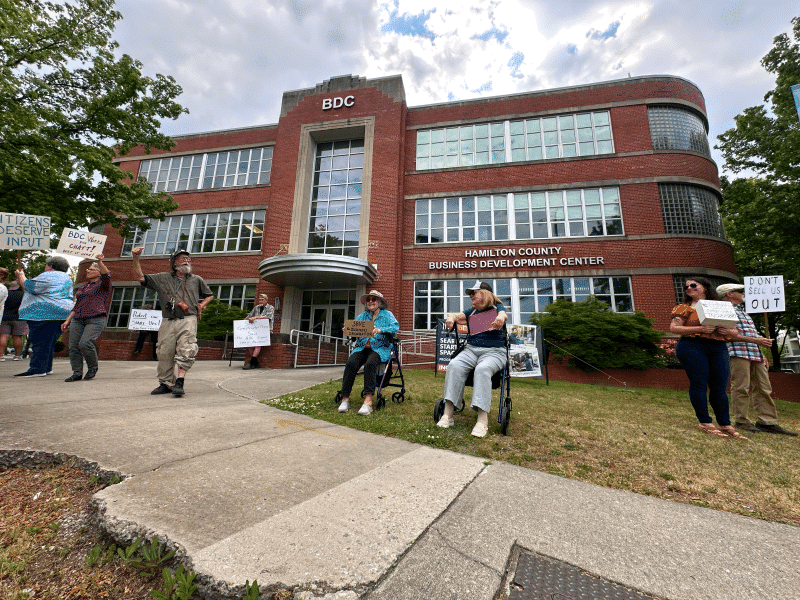
Should the county sell the BDC? Mayor Wamp and local entrepreneurs weigh in
Hamilton County commissioners will vote at their May 6 meeting whether to put the historic Business Development Center up for sale.

Unpaid parking tickets? CARTA plans to start booting this fall
Find out who is at risk of getting booted and how to check for outstanding parking tickets.
