
The legacy of Chattanooga’s Rosenwald Schools
Rosenwald and Washington built more than 5,000 schools for Black Americans in the early 1900s. Hamilton County was home to eight of those schools.
In the early 1900s, Julius Rosenwald, co-owner of Sears, Roebuck and Co. — the largest clothing outlet in the country at the time — teamed up with Booker T. Washington, president of Tuskegee Institute (now Tuskegee University), to tackle a major issue: the lack of quality education for Black children in the rural South.
What started as a bold idea grew into a transformative movement known as the Rosenwald Schools.
Rosenwald and Washington developed a funding model that was based on philanthropy and community effort. The Rosenwald Fund, local governments, and the communities themselves had to pitch in to build each school.
That shared investment produced more than 5,000 schools across the South — including eight right here in the Chattanooga area: Roland W. Hayes, Chickamauga, Booker T. Washington, Georgetown, Washington, Bakewell, Hixson, and Summit.

Roland W. Hayes School
Location: Hamilton County
Total cost: $11,400
Built: 1929-1930
Chickamauga School
Location: Hamilton County
Total cost: $5,894
Built: 1926-1927

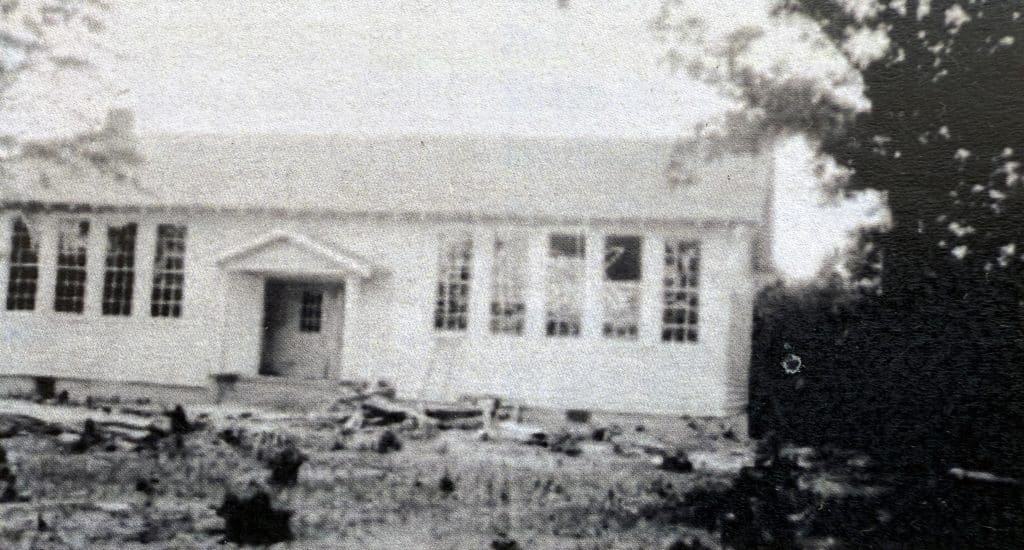
Booker T. Washington School
Location: Hamilton County
Total cost: $7,300
Built: 1923-1924
Georgetown School
Location: Hamilton County
Total cost: $1,185
Built: 1922-1923
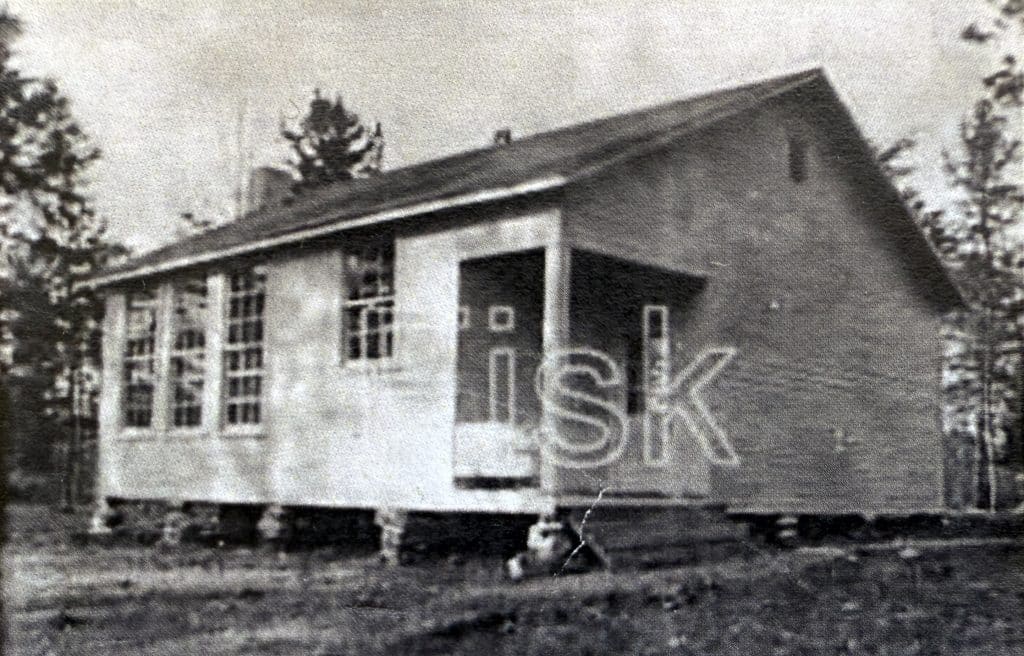

Washington School
Location: Hamilton County
Total cost: $5,500
Built: 1929-1930
Bakewell School
Location: Hamilton County
Total cost: $5,300
Built: 1929-1930

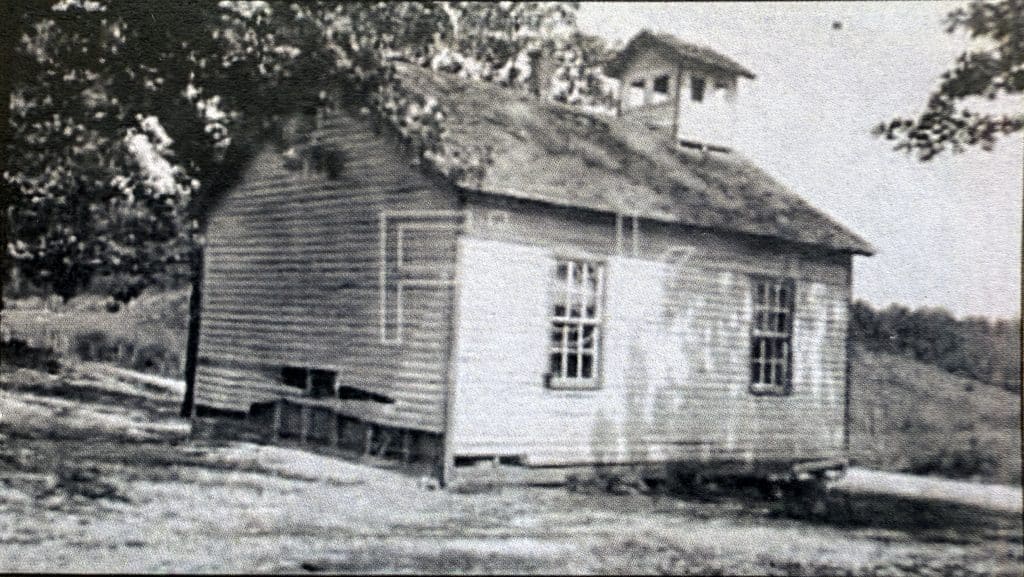
Hixson School
Location: Hamilton County
Total cost: $1,800
Built: 1922-1923
Summit School
Location: Hamilton County
Total cost: $4,600
Built: 1925-1926

School information from Fisk University.
My visit to Lincoln School
Recently, I took a drive to Pikeville, Tennessee, to visit Lincoln School — one of the few remaining Rosenwald school buildings still standing in our region. There, I met Tyree Bridgeman, the school’s caretaker and the son of a Lincoln School alumnus.
As we stepped inside the bright, one-room schoolhouse, Tyree pointed out the original details that have survived nearly a century: the wooden floors, the decorative pressed tin walls and ceilings, and even student-carved names still etched into a few desks.
I can imagine the schools in Chattanooga that are no longer standing felt a lot like this place.

Community hubs
Before Rosenwald Schools existed, many Black children in the South were taught in homes, churches, or makeshift shacks, often with no electricity, heat, or running water.
Washington’s vision, backed by Rosenwald’s resources, changed that by introducing some of the first purpose-built schoolhouses in these communities. And the impact went far beyond the classroom.
School campuses often included teacher housing and community gathering spaces, complete with modern amenities for the time. These upgrades helped attract well-trained educators and turned the schools into hubs of neighborhood life.

A living legacy
Unfortunately, the momentum didn’t last forever. After Rosenwald passed in 1932, the fund began to dry up. Then, in 1954, the Supreme Court ordered the desegregation of public schools. With zoning changes and no new funding rolling in to support them, many Rosenwald Schools were repurposed, closed, or demolished in the years that followed.
Still, their legacy hasn’t been completely lost. In fact, you can see pieces of it today. At Shepard Community Center — built where Chickamauga School once stood — the school’s original piano is still on display in the gym.
The story of Chattanooga’s Rosenwald schools is still unfolding. Alumni, families, and local researchers continue to uncover photographs, memories, and artifacts that keep this history alive.
If you or someone you know attended a Rosenwald School, we’d love to hear from you. Use the form below to share your story and help preserve this important chapter in our community’s history.
Author

Related Articles

Chattamatters update: We’re launching an independent newsroom
We’re establishing an independent nonprofit newsroom. We have mostly paused publishing, as we gear up to serve you in a much bigger way in 2027.
Tree removal exposes unhoused Chattanoogans to summer heat
The city cut down 21 trees outside the Chatt Foundation for an accessible sidewalk. Despite a plan to replace some shade, people are still waiting in the sun.

Chattamatters’ Art in a Minute
Art in a Minute is a segment where we profile artists from all over Hamilton County … in about a minute.